
Research and Development
Many policymakers and experts, including the United Nations, the World Economic Forum and the European Union, believe that humanity’s priorities must evolve to strike a balance between technological progress and environmental stewardship. Innovations such as autonomous vehicles and space exploration hold great promise, but their development should align with sustainable practices that safeguard our planet.
Autonomous vehicles could improve road safety and efficiency, but they carry environmental costs, from manufacturing to resource use. Powering their computing systems, for example, may generate hundreds of millions of tonnes of CO2 annually. However, advancements in quantum computing and specialised AI chips could help reduce these emissions before ecological thresholds are reached.
Similarly, space exploration offers unprecedented opportunities to expand scientific knowledge and tackle pressing global issues. It could unlock new resources and provide innovative solutions to some of Earth’s most pressing environmental concerns. However, space missions also come with environmental costs, including rocket emissions and the growing problem of space debris. Despite the potential benefits for the environment, the primary focus of autonomous vehicles and space exploration has largely been on commercial gain, with sustainability often taking a backseat.
The rise of digital platforms, from shopping carts and search engines to social media, has fuelled the growth of tech giants like Amazon, Google and Meta. These companies exert significant influence over consumer behavior, often intensifying demand for products and services. As global populations grow and consumption increases, this amplified demand strains natural resources and accelerates environmental degradation.
In light of the challenges, it’s crucial to recognise the link between rising human demand and environmental impact. As technology continues to reshape our world, we must ensure that our innovations are designed with sustainability in mind. Only by prioritising both progress and environmental responsibility can we ensure a prosperous future without compromising the health of our planet.
Our company aims to harness the same transformative power of computer science that these companies have used to reshape boundaries and markets. But unlike those focusing on expanded consumption or commercial advantage, our research and development prioritises the efficient use of resources while actively addressing the challenges posed by human activity on the environment.
Around 97-99% of the world’s most eminent scientists believe that these issues are fuelled by the growing demand for resources and the ongoing challenge of carbon emissions accumulating in the Earth’s atmosphere. To achieve our goals, we are exploring innovations such as maritime intelligence and precision agriculture, alongside forward-thinking solutions that promote product reuse. This includes a proposed speculative waste tracking system for consideration within our advanced digital practice framework.
Our organisation is dedicated to inspiring and empowering human ingenuity to thrive amid complex social, economic and environmental challenges. While the discussion above addresses environmental and economic aspects, the initiative below explores technology as a tool for societal improvement. By enhancing communication and cultural understanding, this project aims to tackle some of the root causes of human conflict, fostering greater harmony and connection.The African Language Music Translation System is a groundbreaking initiative that leverages technology to foster linguistic inclusivity, cultural preservation and digital connectivity across Africa. By integrating AI-driven translation, human verification and multimedia synchronisation, the system enables accurate and seamless translation of song lyrics into multiple African languages.
By leveraging technology to promote African music and languages, it contributes to a more interconnected world, where cultural, social and environmental issues can be addressed collectively. As digital platforms like this one expand, they can play a pivotal role in raising awareness and driving action towards environmental sustainability and conservation efforts.
CyberLotus: Urban Ecosystems
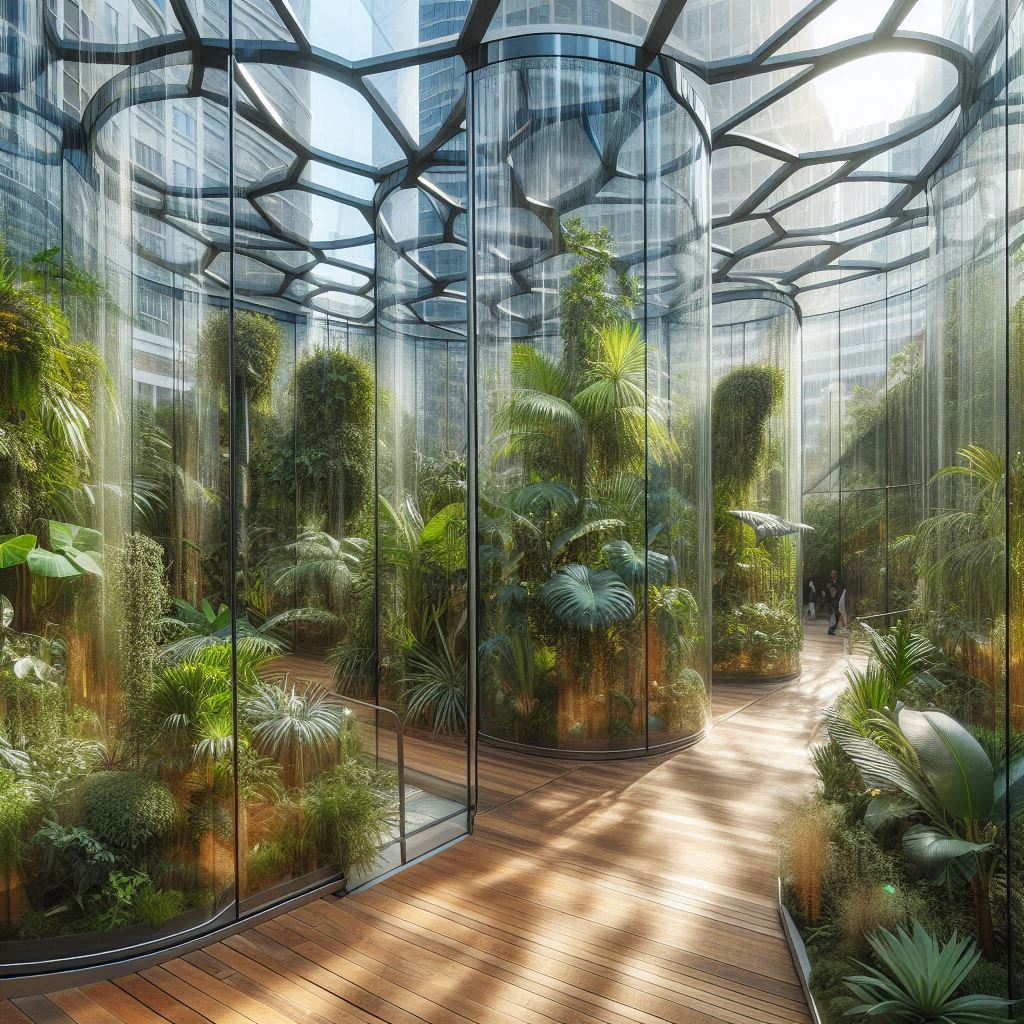
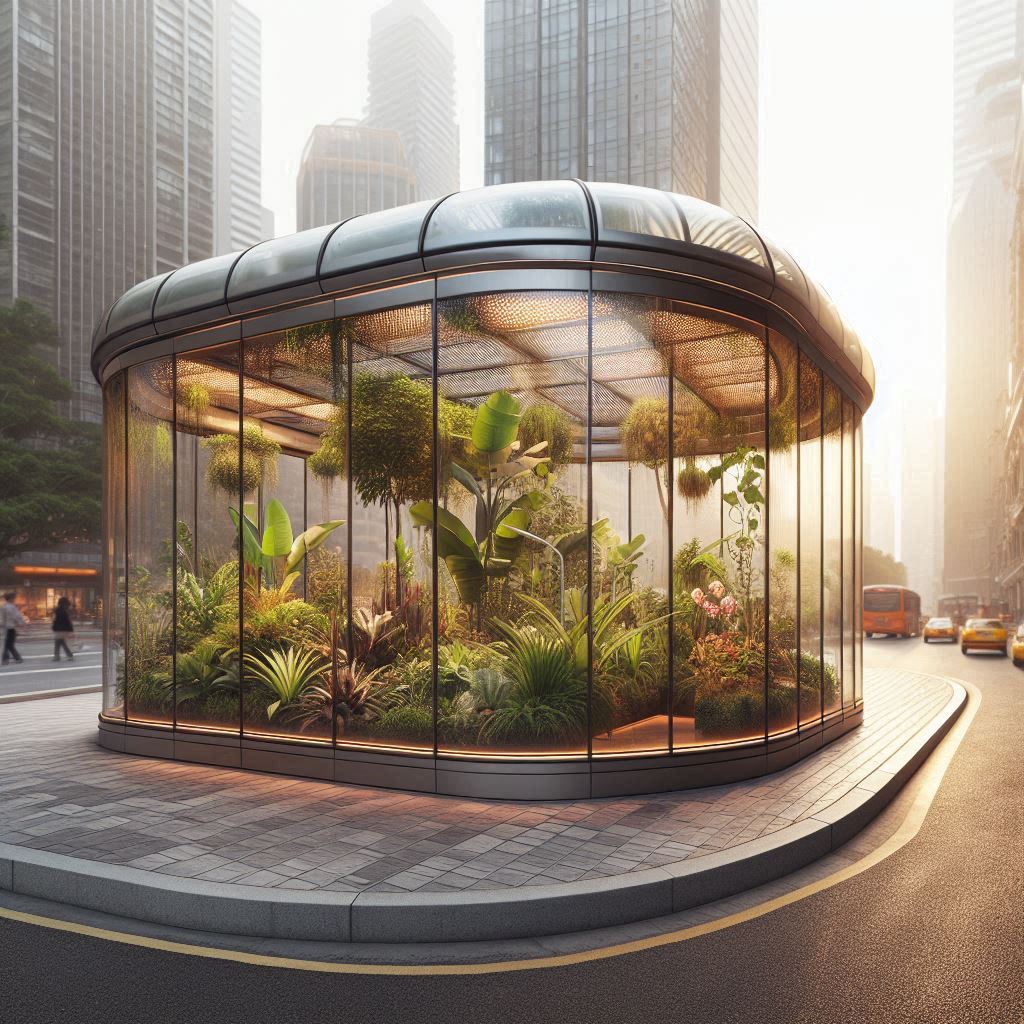
These installations demonstrate practical solutions, yet they remain complements to, rather than substitutes for, the resilience of natural ecosystems. CyberLotus demonstrates the potential for integrating technology with environmental stewardship while emphasising the urgent need to preserve and restore Earth’s natural systems.

CyberLotus: Magnetic Vortex Mixer
Our research focuses on developing advanced digital solutions, including real-time monitoring of marine ecosystems and technologically controlled, man-made terrestrial environments. These systems are designed initially to oversee and protect continental shelves and exhibit rare, delicate life forms, such as the lotus flower thriving within its ecosystem. Given the looming ecological threshold that could be reached within the next few decades, beyond which natural ecosystems may struggle to sustain life as we know it, the urgency of developing controlled, human-made terrestrial environments is becoming increasingly critical.
Building on the success of our early efforts, these initiatives could provide crucial support to both aquaculture and agriculture, advancing sustainability and refining the strategic management of ecological resources. While we hope the full potential of CyberLotus will never need to be fully tested, it represents a positive advancement toward addressing environmental challenges through innovation. Beyond its aesthetic appeal, CyberLotus embodies the synergy between biodiversity, design and technology, offering largely self-sustaining environments that support sustenance and ecological balance.
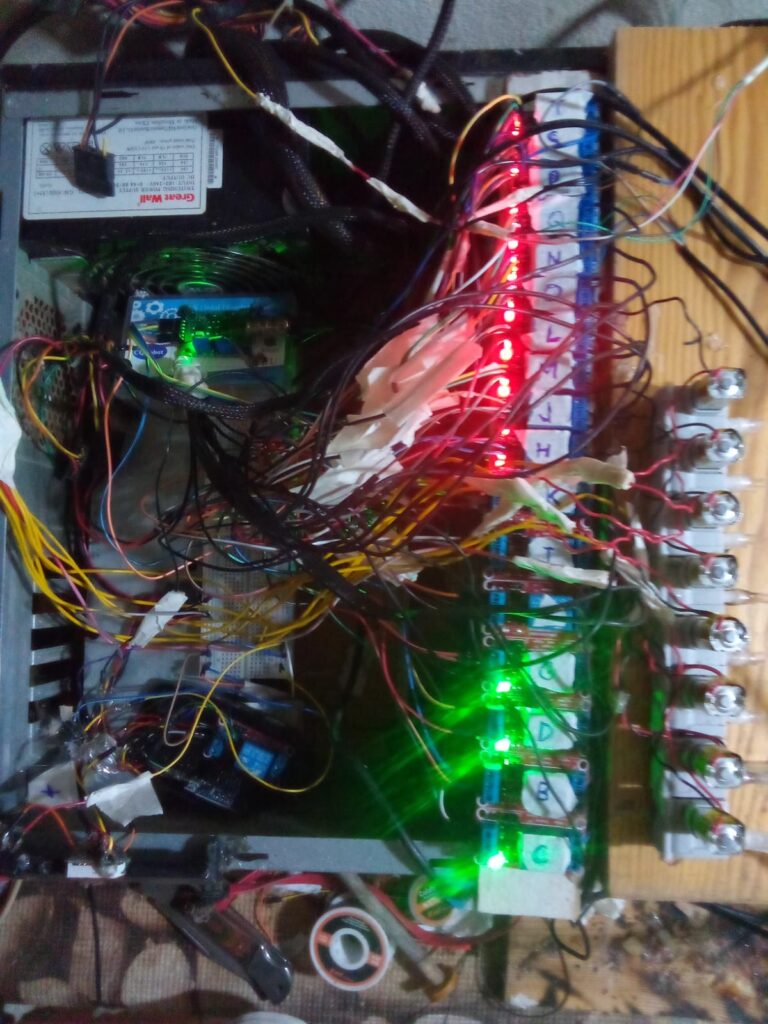
Currently, the arrangement of tubes and wires is provisional, with the final configuration contingent on identifying and analysing all relevant variables. Once these factors are fully understood, the system will be refined into a more compact and optimised design, enhancing efficiency and alignment with project goals. The detailed narrative below provides further context and explanation of the features and functionality highlighted in the video.
The system’s “CPU” is housed in a modified PC tower case containing key components for control and functionality:
- Relay Module: Currently holds 17 relays, with plans to add a second 17-relay layer in Phase 2.
- Separation for Safety: The relay board and pump board are separate to mitigate risks from potential water leaks.
Power and Electronics
- Power Supply: A 500W PC power supply provides 5V and 12V outputs with ample amperage (top left).
- Core Components:
- Arduino Mega and Raspberry Pi (protected by a metal casing).
- Main breadboard for circuit connections.
- Wemos device (temporarily disconnected) for circuit breaking and Arduino auto-reset to handle anomalies.
Pump System
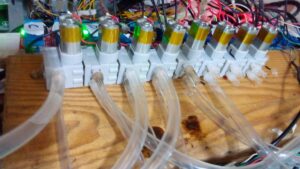
- Non-submersible, low-flow-rate pumps handle precision dosing of calibration liquids, nutrients and adjustments.
- Current pump speed is too slow for drainage tasks, causing delays in measurements, prompting future upgrades.
Sensors and Testing Chambers
The structure shown here is the Electric Conductivity (EC) testing chamber, designed for measuring NPK (Nitrogen, Phosphorus and Potassium) levels with precision. Although its design is functional, its appearance may be refined later. This chamber is housed in the second PC case, specifically designed to accommodate liquids, sensors and submersible pumps.
The principle of operation involves exposing the sensor to multiple inputs through this system, as opposed to immersing it in a single liquid. Incoming tubes can be identified:
- On the left, a single tube supplies the EC calibration liquid. On the right, there are two tubes: one connected to the solution tank for supplying liquid and the other for freshwater. Additionally, a drainage tube is connected at the bottom for waste removal.
- So if a test of the solution liquid is required, the system dispenses a tiny portion of liquid from the solution tank into the chamber for measurement. After obtaining the readings, the chamber is drained, leaving the sensor in relatively dry conditions. This process helps extend the sensor’s lifespan and maintain calibration stability over time.
- If calibration is required, the system pumps the calibration solution through the left tube, performs the measurement and calibration, and then drains the chamber. Afterward, the sensor is rinsed with fresh water to remove any residual salts from the calibration solution, ensuring optimal sensor performance.
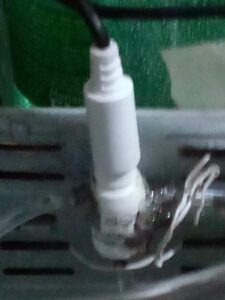
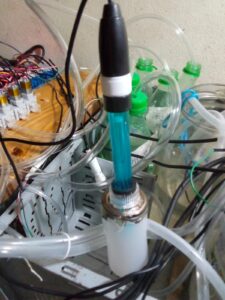
The next chamber is designed for the pH sensor. It is critical for this sensor to remain out of liquids as much as possible, as chemical reactions occur in the tube when submerged. Frequent calibration is more crucial for the pH sensor compared to the EC sensor. Accurate readings require calibration at two levels: low pH (4–5) and high pH (9.2–10).
Automating the calibration process for pH sensors remains a challenge at the industrial level. However, this approach addresses and resolves the issue effectively.
The pH sensor and its chamber are positioned vertically at the bottom of the case, near the EC sensor.
Structural Design
- Both cases should form one box when joined together (like a book – the electronics PC case is flipped upside down when closed). Like this they will have some shared space which gives more room in general. And the idea is to be able to look under the hood relatively easily. The third part is the acrylic chamber which will go on top of this “closed book” structure, but it is also going to be movable, so it can be put to one side without disconnecting it. The adjacent video gives an early view of the system control User Interface.

Economy, Society and Environment
- CyberLotus Github.
- Initially, command line tools were developed to control, calibrate and monitor different hardware components. However, as the system grew, the limitations of the command line interface became apparent. This led to the decision to consolidate all the separate tools into one unified system with a more suitable interface. Flask was chosen as the technology to integrate Python, JavaScript, HTML and CSS, although it still requires considerable effort to manage all aspects.
- The potential to create a user interface and interact with the system effortlessly is now achievable.The project code is available, though some elements should be removed for cleanliness. This will be addressed in a later phase, as the code is still under development. It will require “Library Catalog Management” to organise related functions into appropriately named libraries, ensuring they can be easily imported throughout the application.
- The main objective is to transfer all command line input (CLI) tools to this web platform and develop new features directly within it. While the initial plan was to create systems for pumps, tanks, EC, pH and sequences (a system for creating and executing scripts), only the pumps and tanks system has been successfully developed using Flask technology so far. The debugging process involves working across multiple languages simultaneously, and while the systems are already built using the command line interface, the task now is to adapt them to the new platform.
Phase Two: Acrylic Chamber Assembly and Environmental Automation.
Phase Three: System Infrastructure Integration,Testing and Planting.